
Understanding Perfectionism in Athletes & How to Help as Athletes, Parents, & Coaches
For years now, we’ve been meeting with athletes in individual mindset sessions here at The Hive. Athletes ready to put in work within their own minds to unlock their own potential. There’s magic in these sessions. We’ve seen it.
But? We’ve struggled to share it.
We feel honored to have created a space for athletes to trust us with their inner thoughts and feel that a sense of privacy is a must here. In sharing the incredible stories of these athletes in their journey of mindfulness, we fear we may betray that trust. It’s been our own struggle with this for a while now. When we host these individual sessions, the most you’ll see is a shot of an athlete’s hand working on their journal, like this…
Here’s the thing…
Every day at The Hive, we choose to show up in an attempt to help make the sports world a better place. We do this rooted in the values of Authenticity, Curiosity, Courage, & Community.
There are a lot of information keepers in the world. People who hold knowledge close to the chest. Here at The Hive? We strive to be the opposite.
We strive to be information sharers with a goal of spreading our concepts of mindfulness, similarly to how bees spread pollen from flower to flower.
We choose to spread information to anyone and everyone interested in hearing. We choose to listen to others and hear their ideas and thoughts because there’s never just one way of doing things. We also choose to keep specific information shared in our sessions private.
With that in mind, we’ve decided to pull the curtain back and let you in on what we talk about in our individual mindset sessions. Not specifics, but rather general ideas and themes that seem to impact a good amount of our athletes here. In the hopes that athletes, parents, and coaches following along will see they aren’t alone. They aren’t the only ones struggling. There’s power in knowing this. And there’s hope in being better because of. That’s the gift these individual mindset sessions can give.
So with that said, today we’ve decided to share a theme that comes up in MANY of our individual mindset sessions with athletes.
Perfectionism.
MANY athletes who come to us find it very difficult to make mistakes. They worry that if they try something new, they will fail. And if they fail, everyone will see how bad they really are.
Teammates will laugh.
Coaches will judge.
They’ll lose their starting position.
Get cut from the team.
Perfectionism cuts the line of growth.
When athletes feel a need to be perfect, they often decide it’s safer not to try at all. The road to greatness is too risky to stand out as a failure along the way. So they stay small. And settle. What follows is often a lack of joy and confidence. Their light starts to dim.
Parents might start to see the warning signs. Their athlete isn’t enjoying practice. Maybe they don’t even want to go. The car rides are filled with negativity. Anxiety. They start talking about how bad they are. And to that us parents tend to say things like “Don’t worry!” “Just go out there and play!” “Have fun!” “It’s just a game.” We might even start to wonder if it’s worth spending time and money in a sport that our child doesn’t even seem to like anymore. Questions like “What are we doing?” may pop up in this space.
As loving and kind as those statements may sound, the truth is, saying those words to an athlete who’s struggling is just not helping.
In our research at The Hive, we’ve found the athlete who gets curious with their struggles, who looks them straight in the eyes, sees them for what they are, who gets to know them, and does the hard work in connecting the dots? Being better because of those struggles? Those athletes will have a better chance of allowing themselves to unlock their own potential.
Our research has also found that humans would rather spend their lives running away from the hard than face it.
What makes an individual mindset session with an athlete so effective is that we lovingly and gently ask the athletes to face their hard. To sit with it. To get to know it. And try to understand why their body feels the need to protect them so much in that space. We do this with the tools of mindfulness. Something that no one needs to know they are using. But something that will inevitably unlock them if they choose.
Parents- if you have a locked-up athlete as a child, an easy way to help them is to simply sit with them in their hard. Not fixing. Just validating. Asking questions to try to get to the root of their block. Never forcing but rather choosing to be more quietly present. If they allow you in. Words can be hard to find here, so practicing patience as a parent will be a gift to both you and your athlete. Journals are great tools for this, too, if they aren’t up for talking. Writing it all down and then having them ask this simple question…
Is this helping me?
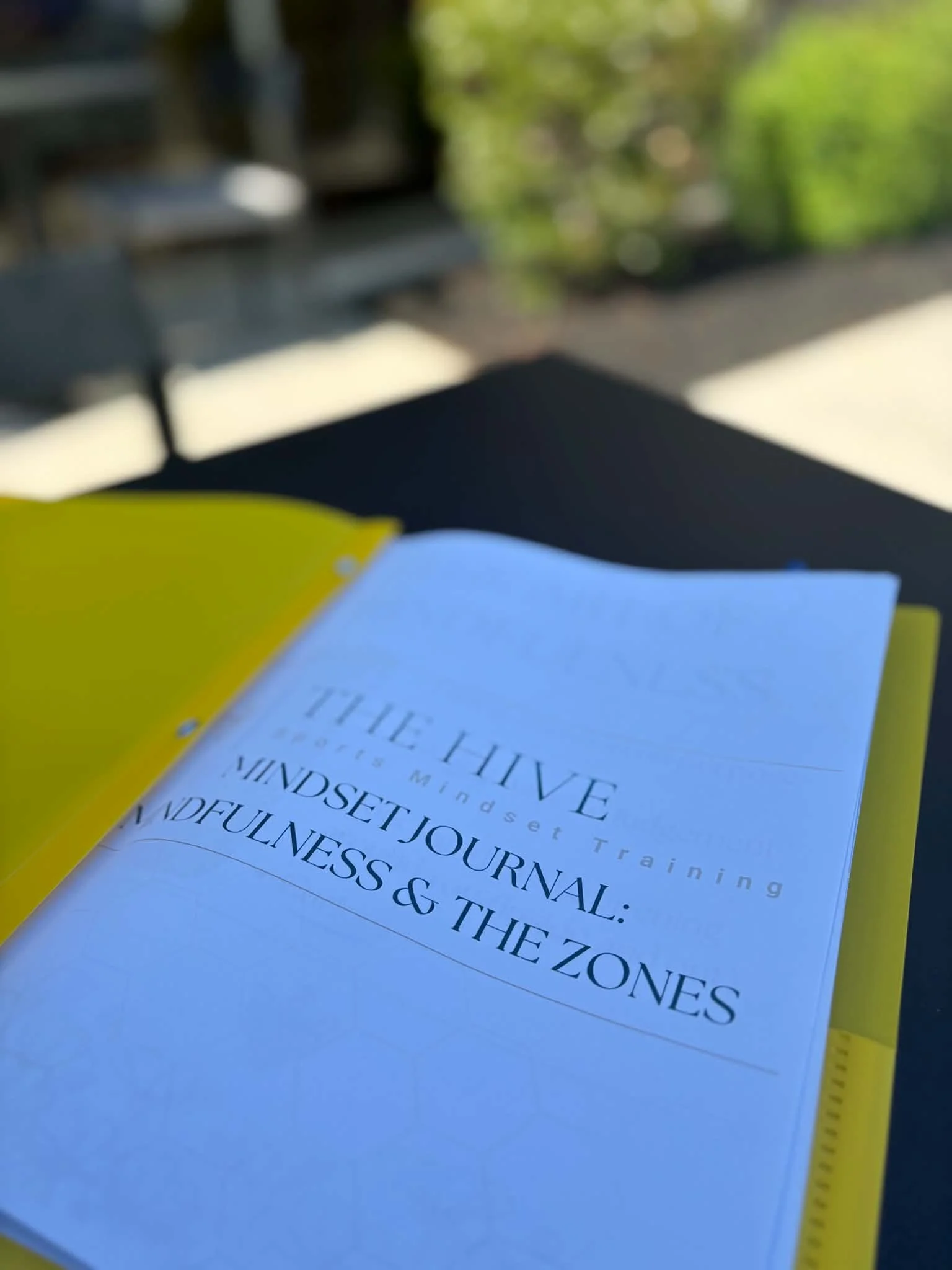
Sometimes the answer is yes. But often the answer is no. Honoring yourself as you are and attempting to be better because of it is a gift mindfulness can give to every athlete willing to try. When parents can speak this language, they will support their athlete more than they will ever know. It’s that good.
Coaches- have a player who’s locked up? Sit with them. Without judgment. Get to understand their situation a little better. After all, it’s not your journey. It’s theirs. Allow them to see you caring about them as a person in a position of power. And when they seem locked up again, encourage the heck out of them as they continue failing in their pursuit of greatness. Allow them to feel seen, heard, and valued. Mistakes and all. And then? Watch your players unlock.
Athletes- you’re stuck for a reason. It’s your body’s way of protecting you. How beautiful! But also? How frustrating. So when you start to feel your alarms sound, like anxiety, worry, tightness, sweating, thoughts, emotions all trying to hold you back and keep you safe, ask yourself, “Is this helping me?” If the answer is no and if you’re up for it…keep going. It gets messy before it gets pretty, but that’s how we learn to fail well.
When we choose to fail well? To try, learn, and grow from our mistakes? Perfectionism goes out the window. It simply doesn’t serve us anymore. And then? We allow ourselves to go bigger with our game.
Playing beyond perfectionism allows us to view mistakes as information. Data informing our next move.
This simple mindset shift in athletes, coaches, and parents will allow not just athletes to unlock, but also the coaches and parents who practice it as well. Remember that the next time you make a mistake as an athlete. Or see your athlete holding themselves back on the field. Or listen to your child spiral in their journey to greatness.
Mindfulness is a journey. Not a destination. And perfectionism shouldn’t get a ticket to ride. The quicker our village gets on board, the quicker you’ll see players and teams 🐝 great.
Always cheering you on,
Nikki
